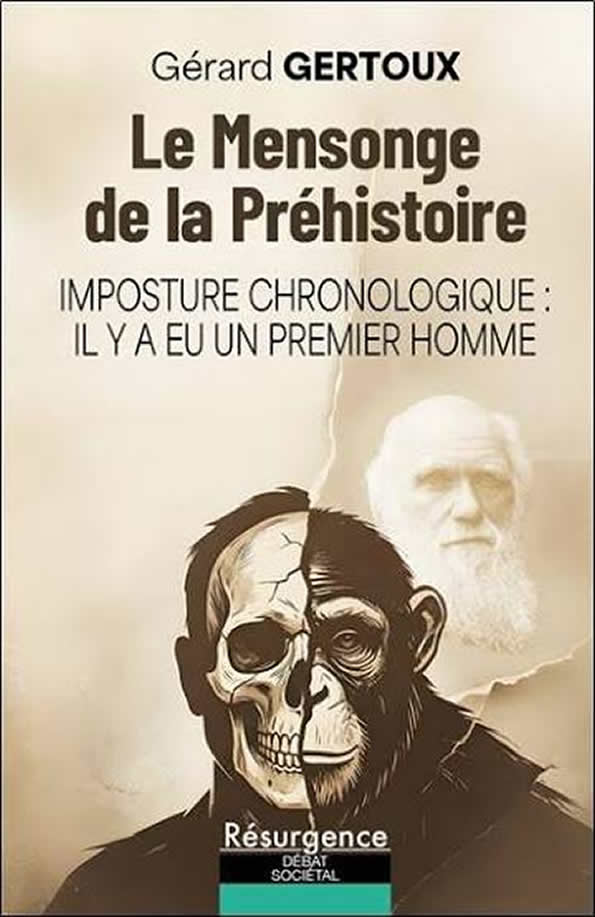
Gérard Gertoux - Le mensonge de la Préhistoire - Partie 1
Gérard Gertoux - Le mensonge de la Préhistoire - Partie 2
Et si l'histoire des origines de l'humanité était à réécrire ?
Dans cette interview, Gérard Gertoux, historien spécialiste des chronologies anciennes, présente les thèses développées dans son livre "Le Mensonge de la préhistoire". Il explique pourquoi il remet en question certains fondements de la chronologie préhistorique et propose une relecture des découvertes archéologiques, des datations et des classifications habituellement admises.
Pourquoi parle-t-on de "préhistoire" ? Les preuves sont-elles aussi solides qu’on le pense ? Existe-t-il des contradictions ignorées ou insuffisamment discutées ? Quels liens peut-on établir entre l’archéologie, les textes anciens et l’histoire des premières civilisations ?
Une interview qui invite à examiner les arguments, à confronter les sources et à réfléchir autrement à une question fondamentale : d’où venons-nous ?
Pour plus d'informations
Gérard Gertoux - Entrevue Le mensonge de la préhistoire ?